
Printed Labels
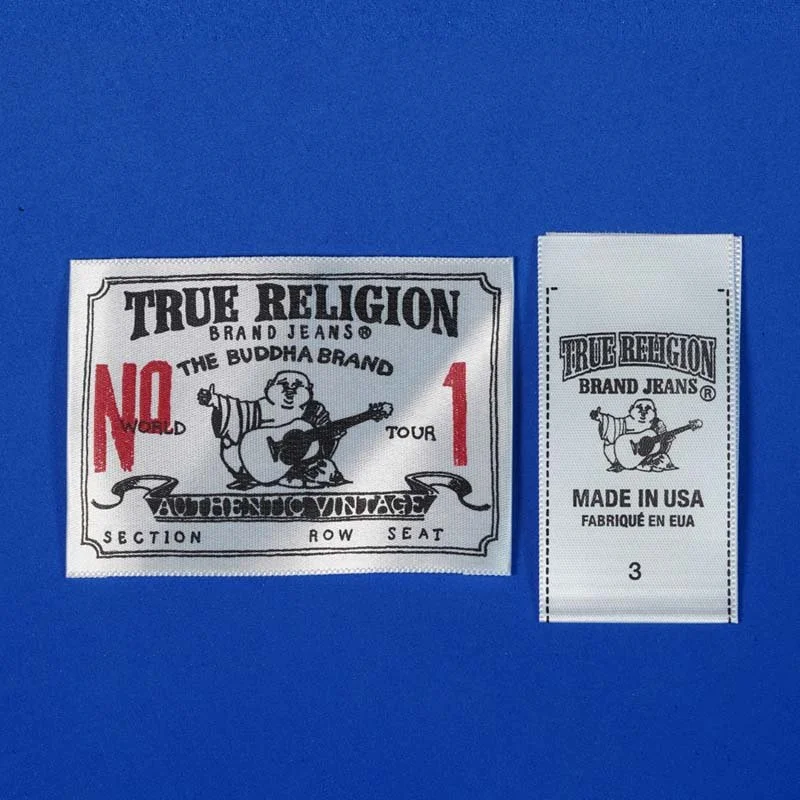
Printed labels refer to labels that have information, images, logos, or designs printed onto them using various printing techniques.
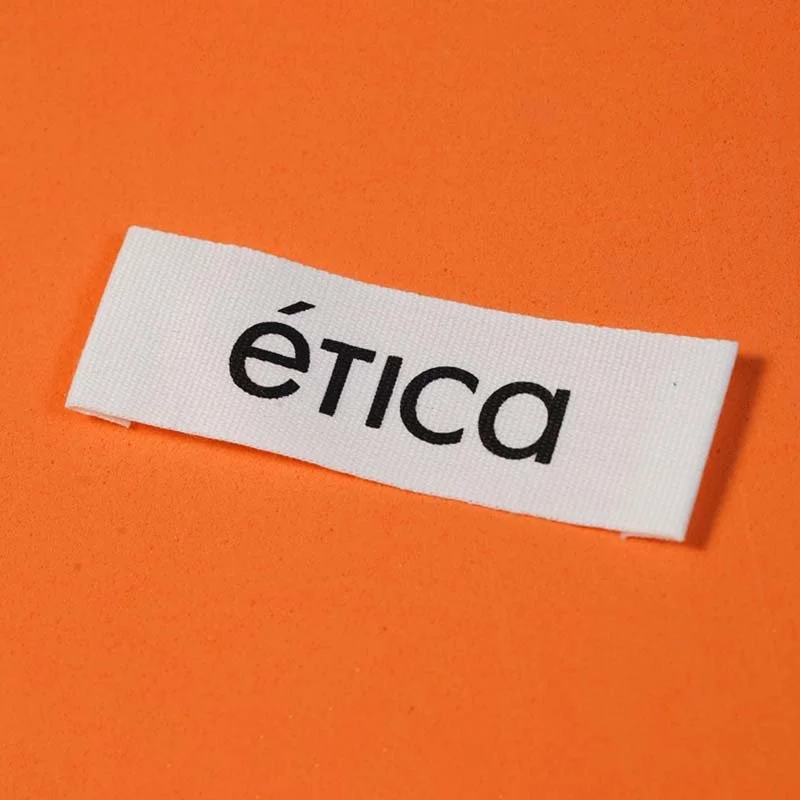
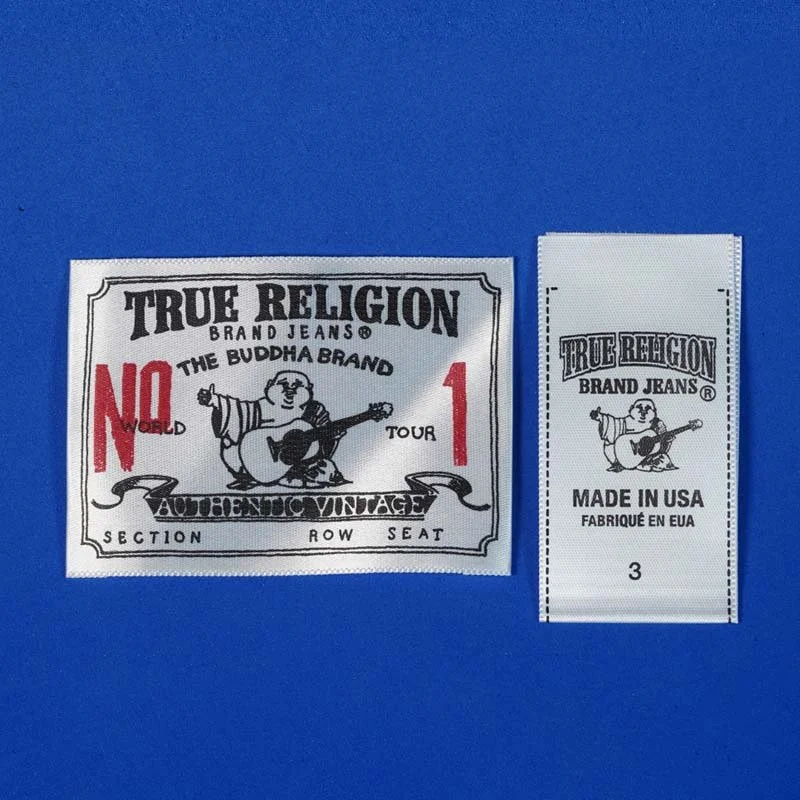
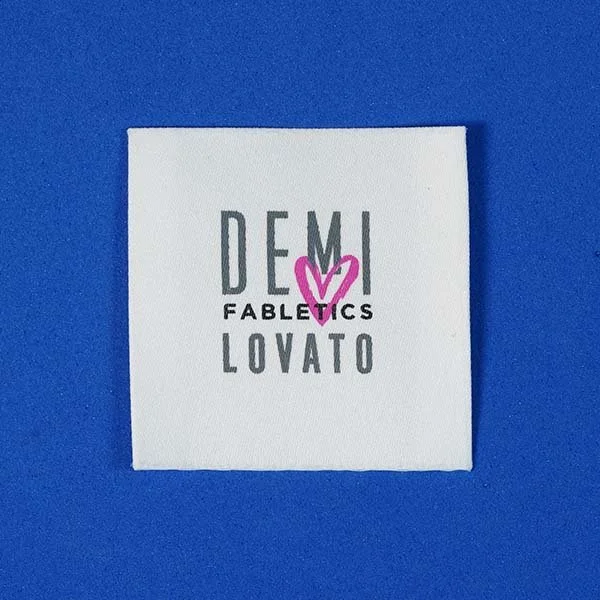
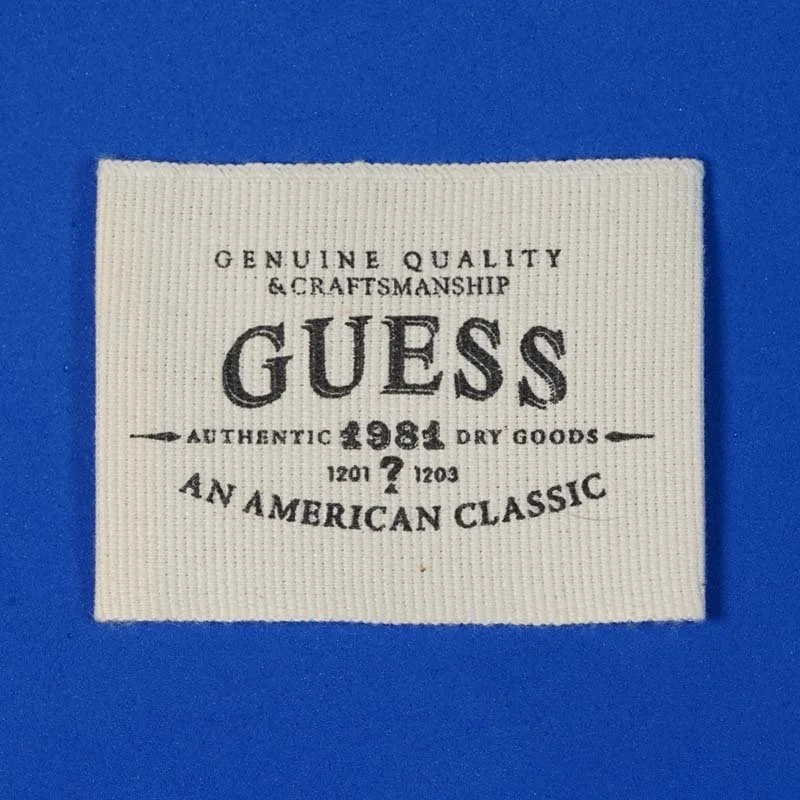
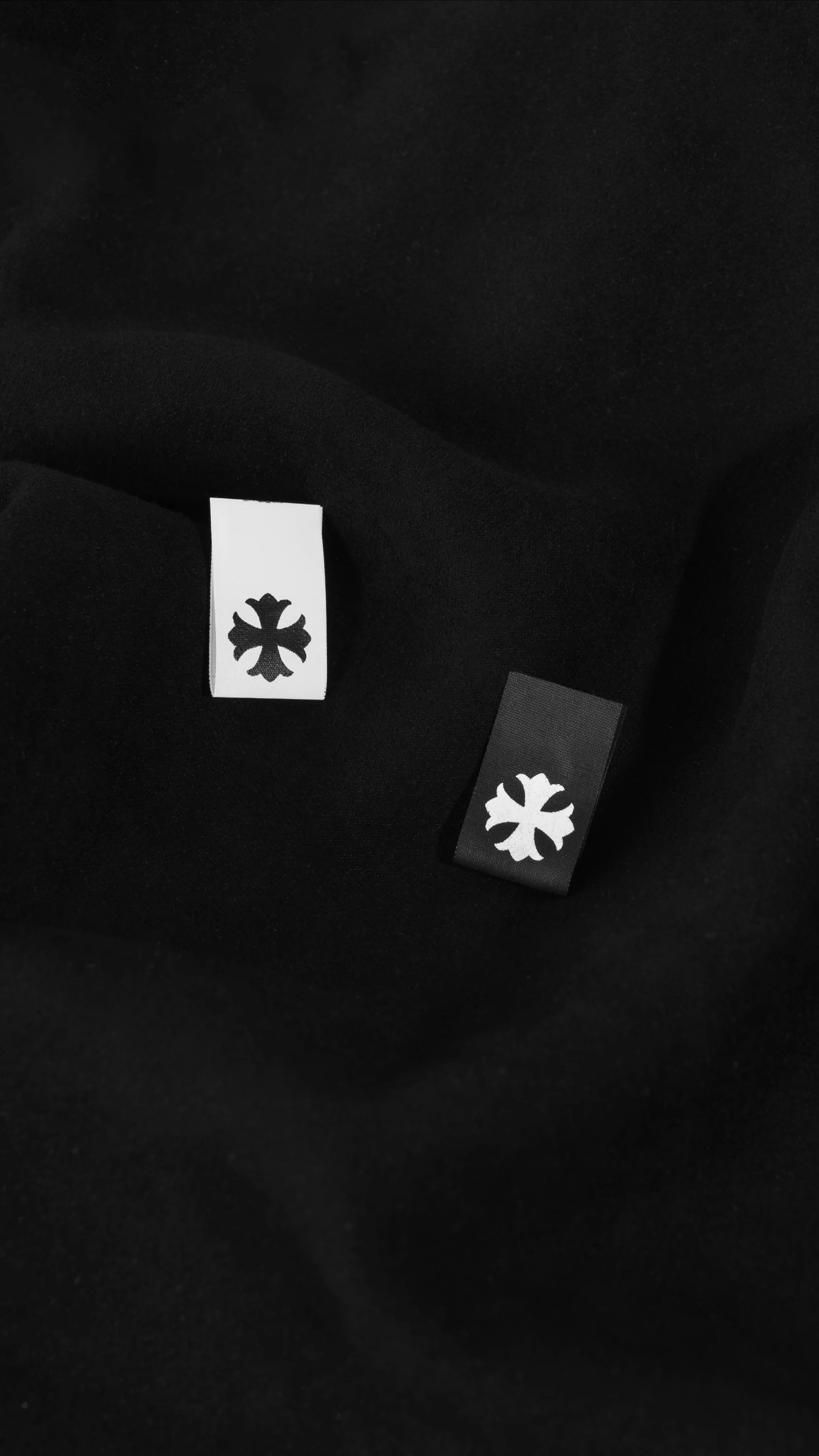
These labels can be created using a wide range of materials, including paper, plastic, fabric, and more. Printed labels serve various purposes, such as providing information, branding, decoration, and identification. They are commonly used in industries such as retail, manufacturing, logistics, and more.
There are several printing methods used to create printed labels, each with its own advantages and suitable applications:
Digital Printing: This method involves using digital technology to directly print the label design onto the label material. Digital printing is versatile, allowing for high-quality images, intricate designs, and variable data (such as sequential numbers or barcodes) to be easily incorporated onto labels.
Flexographic Printing: Flexo printing uses flexible plates to transfer ink onto the label material. It's often used for larger print runs and can accommodate various label materials, including paper, film, and even textured substrates.
Offset Printing: Offset printing is a traditional printing method that involves transferring ink from a printing plate to a rubber blanket and then onto the label material. It's known for producing high-quality prints with vibrant colors and is often used for label designs that require precision and detailed graphics.
Screen Printing: Screen printing involves pushing ink through a mesh screen onto the label material. It's suitable for printing on various materials, including fabrics, plastics, and more.
Thermal Printing: Thermal printing involves using heat to create images or text on specially designed thermal paper or label stock. It's commonly used for creating labels with variable data, such as shipping labels and barcodes.
Printed labels offer several benefits, including:
Customization: Printed labels can be tailored to specific designs, colors, and branding elements.
Branding: Labels can feature logos, company names, and other branding elements, helping to reinforce brand identity.
Information: Labels can provide essential information such as product details, instructions, warnings, and more.
Decoration: Labels can enhance the appearance of products, packaging, or promotional items.
Identification: Labels can be used to identify products, assets, inventory, and more.
When choosing printed labels, it's important to consider factors such as the intended use, label material, printing method, design requirements, and the expected durability of the labels in various environments.
Labeltex delivers end-to-end solutions you can count on.